Skill-Based Placement
For job seekers, transitioning from an academic or unstructured environment into a structured corporate setup can be a massive cultural shock. Providing dedicated coaching on Corporate Ethics and Culture directly impacts a candidate's selection probability during interviews and their retention rate during the first 90 days on the job.
Here is the essential content, curriculum modules, and audit-ready framework for a coaching program tailored to job seekers.
1. Professional Ethics & Compliance Foundation
This module introduces the non-negotiable legal and moral frameworks that govern modern corporate operations.
- Code of Conduct & Professional Integrity: Defining conflict of interest, intellectual property protection, data confidentiality (e.g., NDA compliance), and the ethical use of company resources.
- Workplace Equality & POSH Awareness: Comprehensive training on the Prevention of Sexual Harassment (POSH), understanding diversity, equity, and inclusion (DEI), and maintaining a respectful workplace environment.
- Anti-Bribery & Fair Practices: Understanding corporate gift policies, insider trading basics, and reporting mechanisms like whistleblowing procedures.
- Digital & Social Media Ethics: The professional boundaries of using personal social media (LinkedIn, X, Facebook) regarding company matters, and data privacy compliance.
1. Workplace Culture, Dynamics & Nuances
Culture varies by industry, but the underlying mechanisms of corporate survival and growth remain consistent.
- Understanding Organizational Hierarchies: Navigating flat vs. matrix organizational structures, understanding reporting lines, and practicing cross-functional collaboration.
- The "Unwritten Rules" of Corporate Culture: Decoding workplace etiquette, understanding cubicle/open-office decorum, appropriate professional attire (formal vs. smart casual), and time management punctuality.
- The First 90 Days Strategy: Coaching candidates on how to observe team dynamics, identify key stakeholders, ask the right questions, and secure quick early wins without overstepping.
- Managing Feedback & Constructive Criticism: Shifting a job seeker's mindset from taking feedback personally to treating it as a performance appraisal metric for professional growth.
3. Professional Communication & Interpersonal Etiquette
A candidate’s ethical grounding is reflected entirely through their daily communication and interpersonal habits.
- Corporate Email & Messaging Etiquette: Crafting structured, objective emails, mastering professional greetings, understanding when to use Cc/Bcc, and using corporate chat tools (Slack, MS Teams) responsibly.
- Meeting Decorum (Virtual & In-Person): Active listening techniques, video-conferencing etiquette (muting when not speaking, background framing), and arriving prepared with agendas.
- Managing Upwards & Peer Relations: How to communicate effectively with managers, setting realistic expectations regarding deadlines, and handling peer-to-peer workplace conflicts professionally.
4. Interview Readiness: Demonstrating Ethics & Culture Fit
Corporate HR panels actively screen candidates for cultural alignment. This module prepares job seekers to showcase these traits during selection drives.
- Answering Behavioral & Situational Questions: Using the STAR Method (Situation, Task, Action, Result) to answer common ethical dilemmas and cultural fitment questions (e.g., "Tell me about a time you disagreed with a team policy").
- The Culture Fit Screening Checklist: Coaching job seekers on how to research a target company's core values (via their website, annual reports, or LinkedIn) and explicitly weave those values into their interview answers.
- Handling Job Offers Ethically: The ethics of salary negotiations, honorably managing multiple job offers, respecting notice periods, and avoiding the practice of "ghosting" employers after accepting an offer.
Training Delivery & Audit Compliance Documentation
To validate this training for institutional placement audits or independent consultancy metrics, the program should track and preserve:
- Pre- and Post-Assessment Scores: Quantitative data showing an increase in the candidate's situational judgment and ethical awareness.
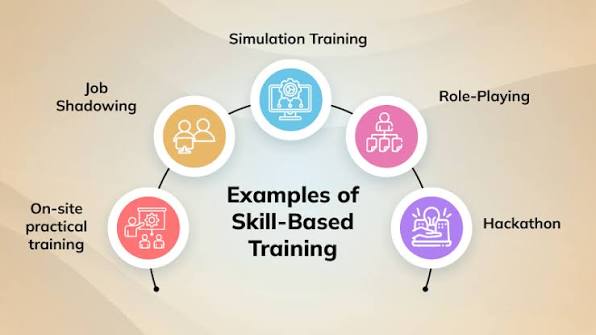
- Case Study Simulation Records: Documentation of candidates participating in role-play scenarios involving workplace ethical dilemmas (e.g., handling a data leak or addressing a difficult coworker).
- Case Study Simulation Records: Documentation of candidates participating in role-play scenarios involving workplace ethical dilemmas (e.g., handling a data leak or addressing a difficult coworker).
- Candidate Completion Certifications: Verification that the job seeker has completed the fundamental compliance and corporate readiness modules.
Consultant's Insight: Recruiters frequently complain that fresh graduates possess technical skills but lack "corporate maturity." Integrating a module on corporate ethics gives job seekers a massive competitive advantage, signaling to recruiters that this candidate requires lower training overhead and carries a minimal risk of early attrition.